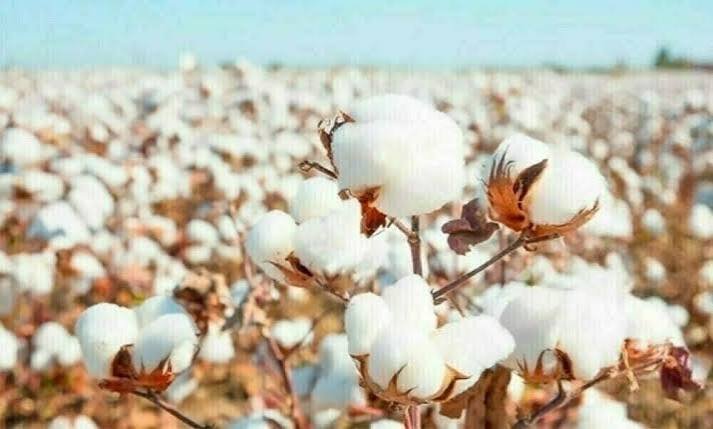
Cotton Farming in Pakistan – Crop Nutrition, Pest Management & Better Yield Guide
Cotton is one of Pakistan’s most important agricultural crops and plays a major role in the country’s farming economy and textile industry. For cotton growers, achieving a healthy crop and good yield depends on timely crop management, balanced nutrition, proper irrigation, weed control and regular monitoring for pests and diseases.
At Hamdard Zarai Corporation, our aim is to help farmers understand the different stages of cotton production and make better-informed decisions when selecting agricultural products and crop management practices.
Understanding the Cotton Crop
Cotton is a long-duration crop that requires careful management from sowing until boll formation and harvesting. Crop performance can be influenced by soil condition, seed quality, weather, irrigation, fertilizer management and pest pressure.
Farmers should regularly inspect their cotton fields throughout the season instead of waiting for visible crop damage before taking action.
A well-managed cotton crop generally requires attention to:
- Seed and field preparation
- Plant population
- Balanced fertilizer application
- Irrigation management
- Weed control
- Pest and disease monitoring
- Flowering and boll development
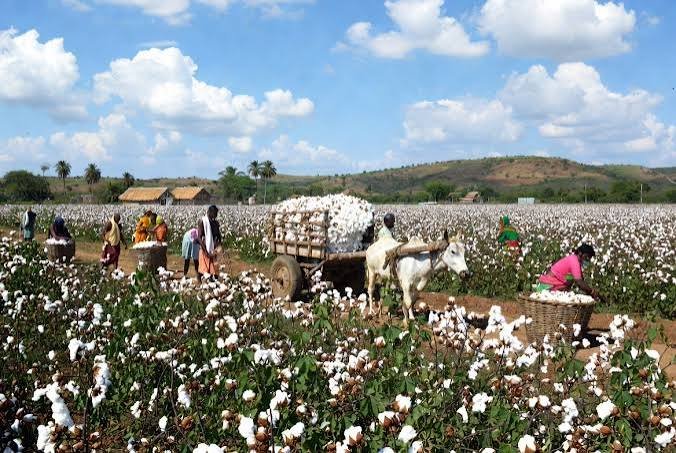
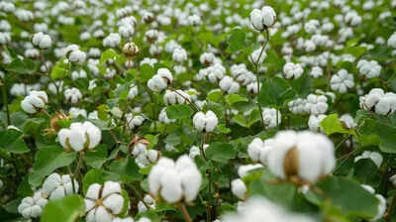
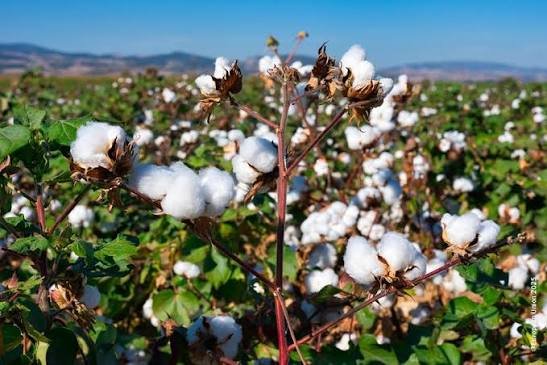
Field Preparation and Cotton Establishment
Good field preparation helps cotton plants establish a healthy root system.
Before sowing, farmers should aim for a well-prepared seedbed with suitable soil moisture and proper drainage. Uneven fields or standing water can negatively affect germination and plant development.
The exact sowing period may vary depending on local climate, variety and regional agricultural recommendations, so growers should follow locally applicable guidance.
Healthy and uniform plant establishment gives the crop a better foundation for later growth.
Balanced Nutrition for Cotton
Cotton requires balanced nutrition throughout its growth cycle. Fertilizer management should not depend only on one nutrient.
Important nutrients commonly involved in crop development include:
Nitrogen
Nitrogen supports vegetative growth and leaf development. However, excessive nitrogen may encourage unnecessary vegetative growth and can affect crop balance.
Phosphorus
Phosphorus supports root development and early plant establishment.
Potassium
Potassium is important during crop development and is associated with several physiological processes within the plant.
Micronutrients may also become important depending on soil conditions and crop deficiency symptoms.
Whenever possible, fertilizer decisions should be supported by soil analysis and local agricultural recommendations rather than applying products without understanding field requirements.
Irrigation Management
Water management is especially important in cotton farming.
Both water shortage and excessive irrigation can negatively affect crop health.
Important stages where moisture management requires particular attention include:
- Early plant establishment
- Vegetative development
- Flowering
- Boll formation
Irrigation frequency depends on soil type, weather conditions, crop stage and available irrigation system.
Farmers should avoid unnecessary water stress but should also prevent prolonged waterlogging.
Weed Management in Cotton
Weeds compete with cotton plants for water, nutrients, sunlight and growing space.
Weed competition during the early stages of crop development can significantly interfere with cotton growth.
A good weed-management approach may include:
- Clean field preparation
- Timely cultivation
- Manual or mechanical weed removal
- Appropriate herbicide use when required
- Regular field inspection
Herbicides should always be selected according to the crop, weed species and product label instructions.
Farmers should never apply a herbicide to cotton unless the product is specifically suitable for the intended crop and use.
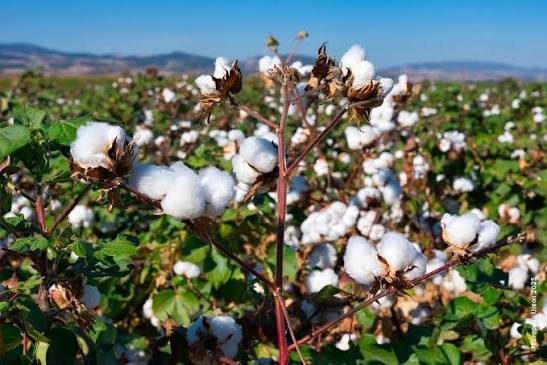
Monitoring Cotton for Insect Pests
Cotton can be affected by several insect pests during the growing season.
Instead of applying pesticides automatically, farmers should inspect the crop regularly and identify the actual pest problem before treatment.
Field scouting helps farmers detect pest populations at an earlier stage and may prevent unnecessary pesticide applications.
When a crop-protection product is required, farmers should consider:
- Correct pest identification
- Product label recommendations
- Recommended application rate
- Application timing
- Safety precautions
- Rotation of modes of action where appropriate
Responsible pesticide use helps protect the crop while also reducing unnecessary chemical applications.
Cotton Diseases and Plant Health
Cotton plants may also experience disease problems depending on environmental conditions, variety and field history.
Symptoms such as leaf spots, wilting, unusual discoloration or plant decline should be properly assessed before treatment.
Applying a fungicide without identifying the problem may not provide effective control.
Where disease pressure is suspected, farmers should consider integrated practices including field sanitation, suitable varieties, balanced irrigation and crop-protection products where justified.
Flowering and Boll Development
Flowering and boll development are critical stages in cotton production.
Stress during these stages can affect boll retention and crop performance.
Farmers should pay close attention to:
- Irrigation
- Nutrient balance
- Pest pressure
- Plant health
- Excessive vegetative growth
Regular field inspection during flowering and boll formation allows farmers to respond more quickly if problems appear.
Avoid Unnecessary Agricultural Product Use
One of the most important principles in crop management is that agricultural products should be selected according to the actual problem.
Using additional fertilizer does not automatically guarantee higher yield.
Similarly, spraying pesticides without confirming the target pest can increase costs without improving crop performance.
Farmers should always check:
- What problem is present?
- What product is suitable?
- What crop stage is involved?
- What does the product label recommend?
- Is the product registered and appropriate for the intended use?
This approach can improve decision-making and reduce unnecessary input costs.
Hamdard Zarai Corporation and Cotton Crop Support
Hamdard Zarai Corporation provides agricultural products and information for farmers looking for crop nutrition and crop-protection solutions.
Depending on product availability, farmers may explore relevant categories such as:
- Fertilizers
- Crop nutrition products
- Herbicides
- Insecticides
- Fungicides
- Seeds
- Agricultural tools
For cotton-specific products, always confirm that the manufacturer’s label identifies the product as suitable for cotton and for the intended agricultural use.
کپاس کی بہتر فصل کے لیے کسان بھائیوں کے لیے رہنمائی
کپاس کی اچھی پیداوار کے لیے فصل کی مسلسل نگرانی بہت ضروری ہے۔
کھاد، پانی اور زرعی ادویات کا استعمال فصل کی ضرورت کے مطابق کریں۔ ہر زرعی زہر یا کھاد کپاس کے لیے موزوں نہیں ہوتی، اس لیے استعمال سے پہلے پروڈکٹ کا لیبل، تجویز کردہ مقدار اور فصل کی مناسبت ضرور چیک کریں۔
فصل میں اگر کیڑے، جڑی بوٹیاں یا بیماری کی علامات نظر آئیں تو پہلے مسئلے کی درست شناخت کریں، اس کے بعد مناسب زرعی حل منتخب کریں۔
متوازن خوراک، مناسب آبپاشی اور بروقت فصل کی نگرانی کپاس کی صحت مند نشوونما میں اہم کردار ادا کرتی ہے۔
Looking for Cotton Crop Products?
If you are looking for fertilizers, pesticides, crop-protection products or other agricultural inputs for cotton, you can explore the available products at Hamdard Zarai Corporation.
Our goal is to make it easier for farmers to find relevant agricultural products while also providing practical crop information.
For product guidance, contact Hamdard Zarai Corporation through WhatsApp and confirm the crop, target problem and product suitability before use.
Final Thoughts
Successful cotton farming depends on more than a single fertilizer or pesticide application.
Healthy cotton production requires a complete crop-management approach that combines good field establishment, balanced nutrition, irrigation, weed management, pest monitoring and timely decision-making.
By regularly monitoring the crop and selecting agricultural inputs according to actual field requirements, farmers can make more efficient production decisions and work toward healthier cotton plants and improved crop performance.
For the latest agricultural products, crop information and farmer support, continue exploring the Hamdard Zarai Corporation Agriculture Knowledge Hub.